
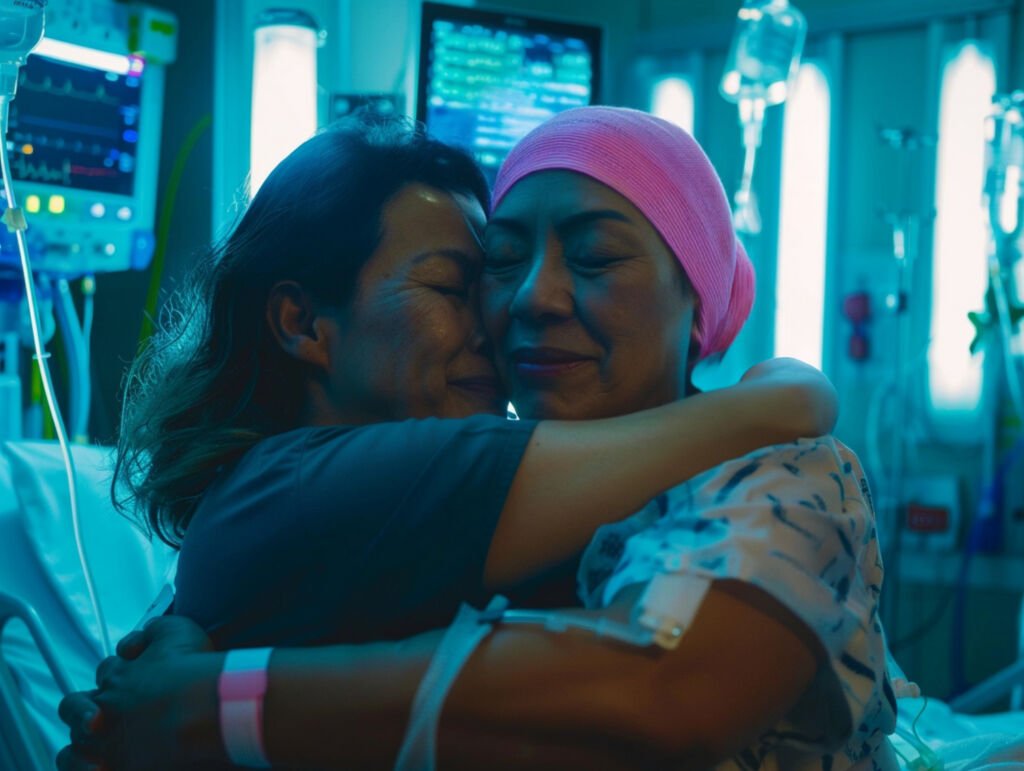
Breast cancer is one of the most common cancers affecting women worldwide. However, with early diagnosis, advanced treatment options, and expert medical care, many patients can achieve successful outcomes and lead healthy lives after treatment. India has emerged as a preferred destination for breast cancer treatment due to its highly experienced oncologists, modern hospitals, advanced technology, and affordable treatment costs.
This guide explains breast cancer, its symptoms, diagnosis, treatment options, and why many international and domestic patients choose India for breast cancer treatment.
What is Breast Cancer?
Breast cancer occurs when abnormal cells in the breast grow uncontrollably and form a tumor. It can develop in different parts of the breast, including the milk ducts, lobules, or surrounding tissues. If left untreated, cancer cells may spread to nearby lymph nodes and other parts of the body.
While breast cancer primarily affects women, men can also develop breast cancer, although it is much less common.
Common Symptoms of Breast Cancer
Early detection plays a crucial role in successful treatment. Some common signs and symptoms include:
- A lump or thickening in the breast or underarm
- Changes in breast size or shape
- Skin dimpling or puckering
- Nipple inversion or changes in appearance
- Unusual nipple discharge
- Redness, swelling, or irritation of the breast skin
- Persistent breast pain or discomfort
If you notice any of these symptoms, it is important to consult a specialist promptly for evaluation.
Risk Factors for Breast Cancer
Several factors may increase the risk of developing breast cancer, including:
- Increasing age
- Family history of breast or ovarian cancer
- Genetic mutations such as BRCA1 and BRCA2
- Hormonal factors
- Obesity
- Smoking and excessive alcohol consumption
- Previous radiation exposure
- Lack of physical activity
Having one or more risk factors does not necessarily mean a person will develop breast cancer, but regular screening is recommended for high-risk individuals.
How Breast Cancer is Diagnosed
Accurate diagnosis helps doctors create an effective treatment plan. Diagnostic procedures may include:
Clinical Breast Examination
A physical examination performed by a healthcare professional.
Mammography
A specialized X-ray used to detect abnormalities in breast tissue.
Ultrasound
Helps determine whether a lump is solid or fluid-filled.
MRI Scan
Provides detailed images of breast tissues for further evaluation.
Biopsy
A tissue sample is collected and examined under a microscope to confirm the presence of cancer cells.
Genetic Testing
May be recommended for patients with a strong family history of breast cancer.
Breast Cancer Stages
Breast cancer is generally classified into stages:
Stage 0
Cancer is confined to the milk ducts and has not spread.
Stage I
Small tumor with limited or no lymph node involvement.
Stage II
Larger tumor or limited spread to nearby lymph nodes.
Stage III
Cancer has spread extensively to nearby tissues or lymph nodes.
Stage IV
Cancer has spread to distant organs such as the lungs, liver, bones, or brain.
The stage of cancer helps determine the most suitable treatment approach.
Breast Cancer Treatment Options in India
India offers comprehensive breast cancer treatment through multidisciplinary teams consisting of surgical oncologists, medical oncologists, radiation oncologists, and reconstructive surgeons.
Breast Cancer Surgery
Surgery is often the primary treatment option.
Lumpectomy (Breast-Conserving Surgery)
Only the tumor and a small margin of surrounding tissue are removed while preserving most of the breast.
Mastectomy
Removal of the entire breast when necessary.
Sentinel Lymph Node Biopsy
Determines whether cancer has spread to nearby lymph nodes.
Axillary Lymph Node Dissection
Removal of affected lymph nodes when cancer spread is confirmed.
Chemotherapy
Chemotherapy uses anti-cancer drugs to destroy cancer cells. It may be administered:
- Before surgery (Neoadjuvant Chemotherapy)
- After surgery (Adjuvant Chemotherapy)
- For advanced or metastatic breast cancer
Radiation Therapy
High-energy radiation targets and destroys remaining cancer cells after surgery. Advanced radiation techniques available in India help minimize damage to healthy tissues.
Targeted Therapy
Targeted drugs attack specific cancer-related proteins such as HER2-positive breast cancer cells while reducing harm to normal cells.
Hormone Therapy
For hormone receptor-positive breast cancer, hormone-blocking medications may help reduce the risk of recurrence.
Immunotherapy
Certain advanced breast cancers may benefit from immunotherapy, which helps the body’s immune system recognize and fight cancer cells.
Breast Reconstruction Surgery
Many patients choose breast reconstruction after mastectomy to restore the appearance of the breast. Reconstruction may be performed immediately after cancer surgery or at a later stage.
Options include:
- Implant-based reconstruction
- Autologous tissue reconstruction
- Combination techniques
Why Choose India for Breast Cancer Treatment?
India is recognized globally for providing high-quality cancer care at significantly lower costs compared to many Western countries.
Experienced Cancer Specialists
India has highly qualified oncologists with extensive experience in treating complex cancer cases.
Advanced Technology
Hospitals utilize modern technologies including:
- PET-CT Scans
- Digital Mammography
- IMRT and IGRT Radiation Therapy
- Robotic and Minimally Invasive Surgery
- Molecular Diagnostics
Affordable Treatment
Patients often benefit from substantial cost savings without compromising quality of care.
Comprehensive Support
Many hospitals provide assistance with:
- Medical visa support
- Airport transfers
- Accommodation arrangements
- Language interpretation services
- International patient coordinators
Recovery and Follow-Up Care
Recovery depends on the type of treatment received. Follow-up care is essential and may include:
- Regular physical examinations
- Mammograms and imaging tests
- Monitoring for recurrence
- Nutritional guidance
- Physical rehabilitation
- Emotional and psychological support
Maintaining a healthy lifestyle can also improve long-term outcomes and quality of life.
Tips for Breast Cancer Prevention
Although breast cancer cannot always be prevented, certain lifestyle choices may help reduce risk:
- Maintain a healthy weight
- Exercise regularly
- Eat a balanced diet
- Avoid tobacco products
- Limit alcohol consumption
- Attend regular screening appointments
- Perform breast self-examinations as recommended