
Heart Valve Replacement Treatment in India
Precision Cardiac Surgery, Valve Repair & Advanced Heart Valve Care
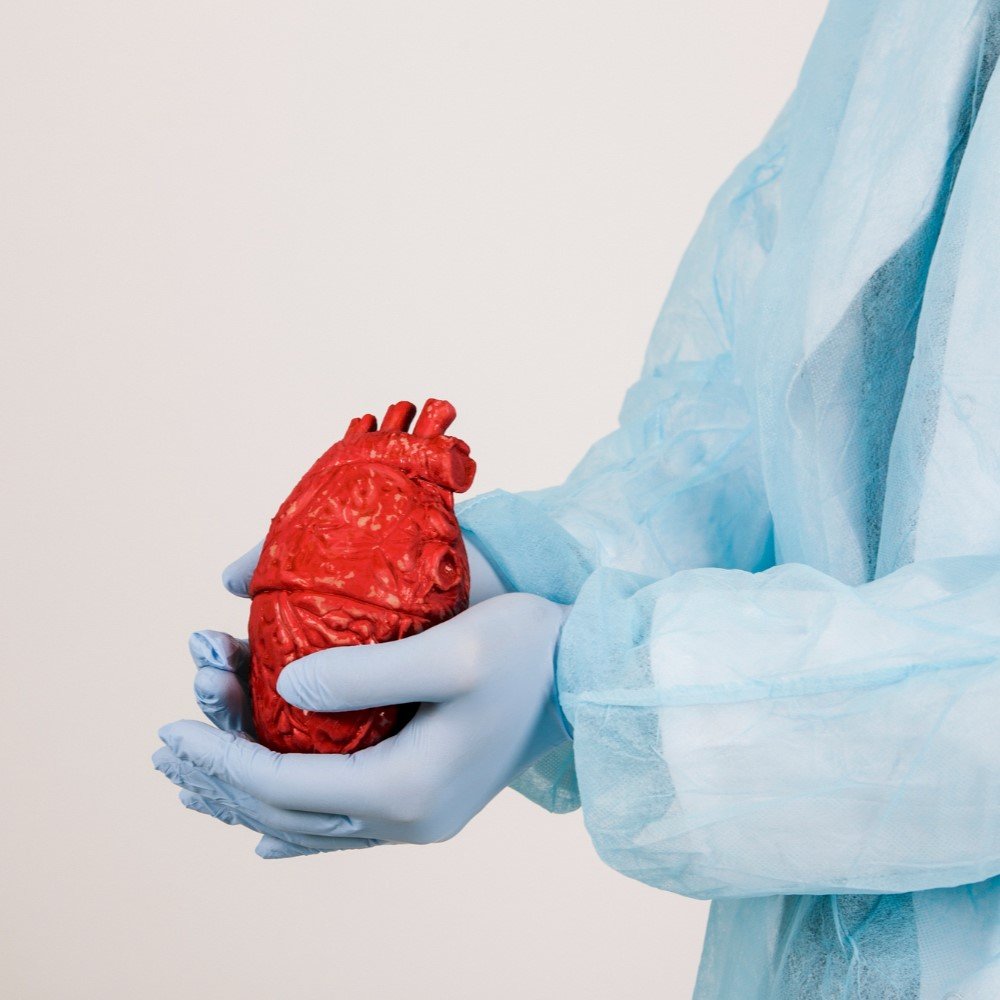
Vanya Health facilitates access to advanced heart valve replacement treatment in India, connecting international patients with experienced cardiac surgeons, cardiologists, and advanced cardiac centers. Treatment is planned according to the type and severity of valve disease, symptoms, heart function, age, overall health, and individual surgical risk.
-
Comprehensive Cardiac Valve Programs: Evaluation and treatment for aortic, mitral, tricuspid, and pulmonary valve disorders using surgical and transcatheter approaches when clinically appropriate.
-
JCI & NABH Accredited Partner Hospitals: Access to established cardiac centers equipped with advanced diagnostic, surgical, intensive care, and rehabilitation facilities.
-
Complete Medical Tourism Concierge: Assistance with medical visa documentation and application support, multilingual interpreters, accommodation coordination, and airport transfers. While we facilitate the visa process, visa approvals and processing timelines remain solely at the discretion of the relevant authorities.
Understanding
Heart Valve Replacement
Heart valve replacement is a procedure used to replace a damaged or severely diseased heart valve that is no longer opening or closing properly.
The heart has four valves:
-
Aortic valve
-
Mitral valve
-
Tricuspid valve
-
Pulmonary valve
Healthy valves regulate the direction of blood flow through the heart. When a valve becomes narrowed (stenosis) or does not close properly (regurgitation or insufficiency), the heart may need to work harder to pump blood.
Depending on the affected valve, severity of disease, symptoms, age, anatomy, and surgical risk, treatment may involve valve repair, surgical valve replacement, or a minimally invasive transcatheter procedure such as TAVR/TAVI for selected patients with aortic valve disease.
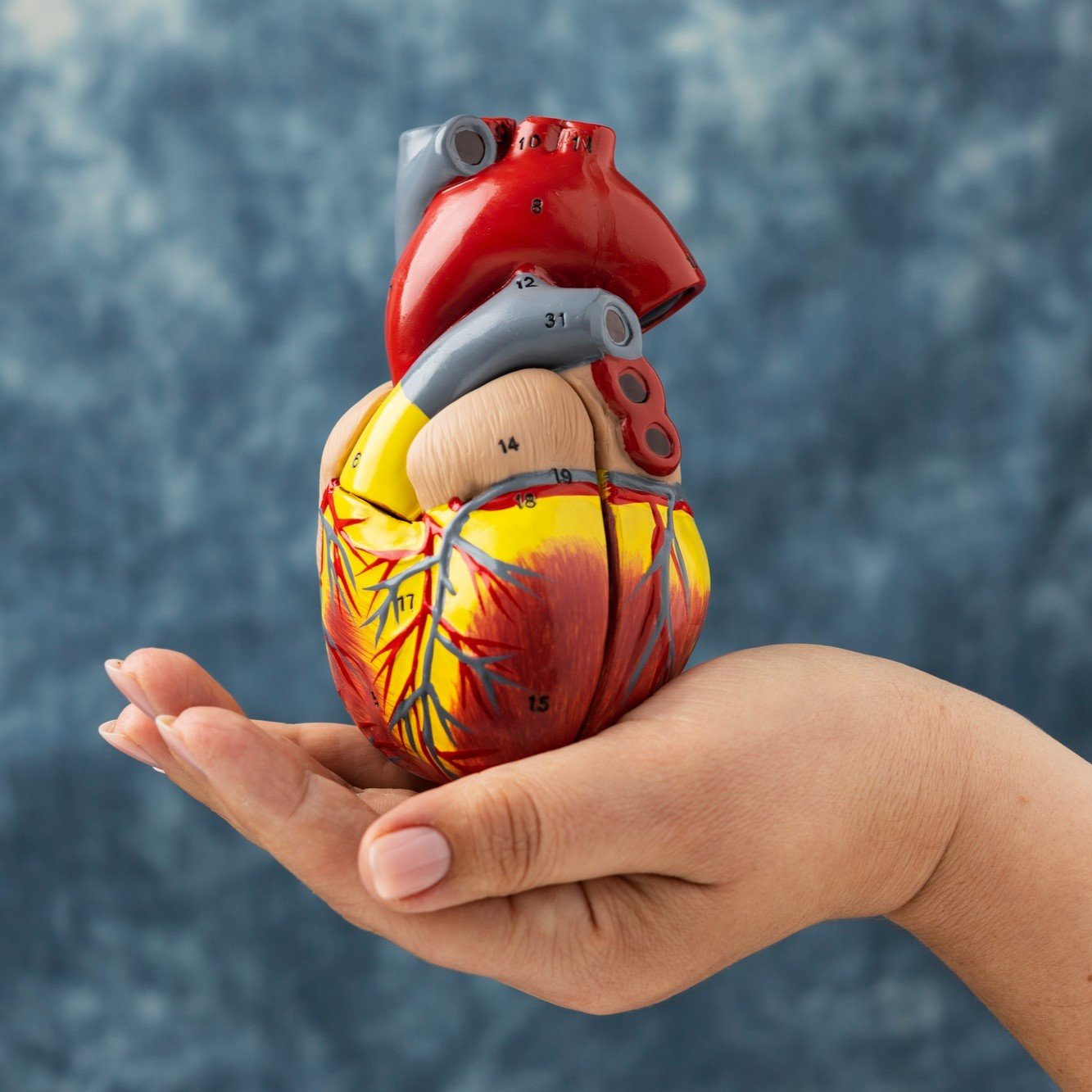
Symptoms & Early Warning Signs
Symptoms vary depending on the valve involved and the severity of disease. Common symptoms may include:
-
Shortness of breath, particularly during physical activity
-
Fatigue or reduced exercise tolerance
-
Chest discomfort or chest pain
-
Dizziness or light-headedness
-
Fainting or near-fainting episodes
-
Awareness of rapid or irregular heartbeat
-
Swelling of the legs, ankles, or abdomen
-
Difficulty breathing while lying down
-
Persistent cough in some patients
-
Reduced ability to perform everyday activities
Severe or sudden symptoms such as significant chest pain, severe breathlessness, fainting, or signs of acute heart failure require urgent medical evaluation.
Advanced Diagnosis & Precision Evaluation in India
Before recommending valve replacement, the cardiac team evaluates the valve, heart function, symptoms, and overall surgical risk.
-
Echocardiography
-
Transesophageal Echocardiography
-
Electrocardiogram (ECG)
-
Cardiac CT
-
Cardiac Catheterization
-
Blood Tests & Preoperative Evaluation
Recovery following heart valve replacement varies depending on the type of procedure, patient’s age, general health, valve involved, and whether additional cardiac procedures were performed.
Primary Types of Heart Valve Disease
Aortic Valve Disease
Aortic valve disease can include aortic stenosis, aortic regurgitation, or a combination of both. Severe disease may affect blood flow from the heart to the body and can eventually lead to heart failure.
Mitral Valve Disease
Mitral valve disorders include mitral stenosis and mitral regurgitation. Depending on the cause and anatomy, the valve may sometimes be repaired rather than replaced.
Tricuspid Valve Disease
Tricuspid regurgitation is the most common tricuspid valve disorder. Severe disease may affect the right side of the heart and cause fluid retention, swelling, or reduced exercise tolerance.
Pulmonary Valve Disease
Pulmonary valve problems are less common in adults and may be associated with congenital heart conditions, previous procedures, or other cardiac disorders.
Why Choose Heart Valve Replacement in India via Vanya Health?
India has developed specialized cardiac centers offering advanced diagnostic and surgical capabilities for complex cardiovascular conditions.
Through its hospital network, Vanya Health can facilitate access to cardiac teams experienced in procedures such as:
- Surgical valve replacement
- Valve repair
- TAVR/TAVI
- Complex multi-valve procedures
- Valve surgery combined with CABG
- Minimally invasive cardiac procedures when appropriate
Treatment decisions are made by the treating cardiac team after reviewing the patient’s medical history, investigations, anatomy, and procedural risk.
How Vanya Health Helps
Vanya Health supports international patients throughout the treatment journey.
Medical Record Review
Patients can share relevant medical reports, echocardiograms, CT scans, previous treatment records, and other available investigations.
Specialist Coordination
Vanya Health facilitates communication with appropriate cardiac specialists based on the patient’s condition and treatment requirements.
Treatment Planning
The medical team reviews the patient’s condition and determines whether valve repair, surgical replacement, TAVR/TAVI, or another approach may be appropriate.
Hospital Coordination
Once a treatment pathway is identified, Vanya Health helps coordinate appointments, hospital admission, and related arrangements.
Travel & Accommodation Support
The team assists with medical travel documentation, accommodation coordination, airport transfers, and interpreter support where available.
Follow-Up Coordination
After treatment, Vanya Health can assist with coordinating follow-up consultations and sharing relevant medical information with the patient’s local healthcare team.
Our Process
Share the Child's Medical Records
Send your medical reports, echocardiography results, imaging, previous treatment details, and relevant health information.
Medical Evaluation
The appropriate cardiac specialist reviews the available medical information and evaluates the patient's condition.
Treatment Recommendation
Based on the diagnosis and clinical findings, the cardiac team discusses suitable treatment options, which may include repair, surgical replacement, or transcatheter treatment.
Treatment & Hospital Coordination
Vanya Health facilitates appointment scheduling, hospital coordination, treatment planning, and medical travel arrangements.
Treatment in India
The patient undergoes the recommended cardiac procedure at the selected hospital under the care of the treating medical team.
Recovery & Follow-Up
Following treatment, the patient receives appropriate postoperative care and follow-up. Vanya Health can assist with coordinating further consultations and follow-up arrangements.
Frequently Asked Questions
What is heart valve replacement?
Heart valve replacement is a procedure in which a diseased heart valve is replaced with a prosthetic valve when the valve is severely narrowed, leaking, or otherwise unable to function adequately.
Which heart valves can be replaced?
The aortic, mitral, tricuspid, and pulmonary valves can all be replaced when clinically necessary. Aortic and mitral valve procedures are among the more commonly performed valve replacement procedures in adults.
What is the difference between a mechanical and biological heart valve?
Mechanical valves are highly durable but generally require lifelong anticoagulation. Biological valves are made from tissue and may have a limited lifespan but generally do not require lifelong anticoagulation solely because of the valve.
The appropriate choice depends on factors such as age, medical history, bleeding risk, pregnancy considerations, lifestyle, and patient preference.
Is TAVR the same as heart valve replacement?
TAVR/TAVI is a type of aortic valve replacement performed through a catheter rather than conventional open-heart surgery. It is mainly used for selected patients with severe aortic stenosis.
How long does recovery take after surgical valve replacement?
Recovery varies between individuals. Hospital recovery may take several days, while returning to normal activities after open-heart surgery can take several weeks or longer. The treating cardiac team provides individualized activity and rehabilitation guidance.
Will I need medicines after heart valve replacement?
Many patients require medications after valve replacement. Patients with mechanical valves generally require lifelong anticoagulation. Other medications may be prescribed depending on heart function, rhythm, blood pressure, coronary disease, and other individual factors.
Can heart valve replacement be performed with other heart procedures?
Yes. In selected patients, valve replacement may be combined with procedures such as coronary artery bypass surgery or treatment of another diseased valve. The decision depends on the patient's overall cardiac condition and surgical plan.
How does Vanya Health help international patients?
Vanya Health facilitates access to cardiac specialists and hospitals, assists with medical record coordination, appointment scheduling, treatment planning, medical travel documentation, accommodation, airport transfers, and follow-up coordination.
Planning Heart Valve Replacement Treatment in India?
Contact Vanya Health today to explore heart valve treatment options in India and plan your next steps with confidence.